Toy and mini drones
Usually under 10 minutes.

Drone basics
By the NVX engineering team, New Delhi · 22 October 2026 · 5 min read
Flight time is one of the first questions buyers ask. It depends on the type of drone, its battery and how you fly. Here is what to expect in real conditions, and how to get the most out of every battery.
Rough real-world ranges; individual models vary.
Usually under 10 minutes.
Commonly around 20-45 minutes depending on size and battery.
Often just 3-8 minutes because they fly hard and fast.
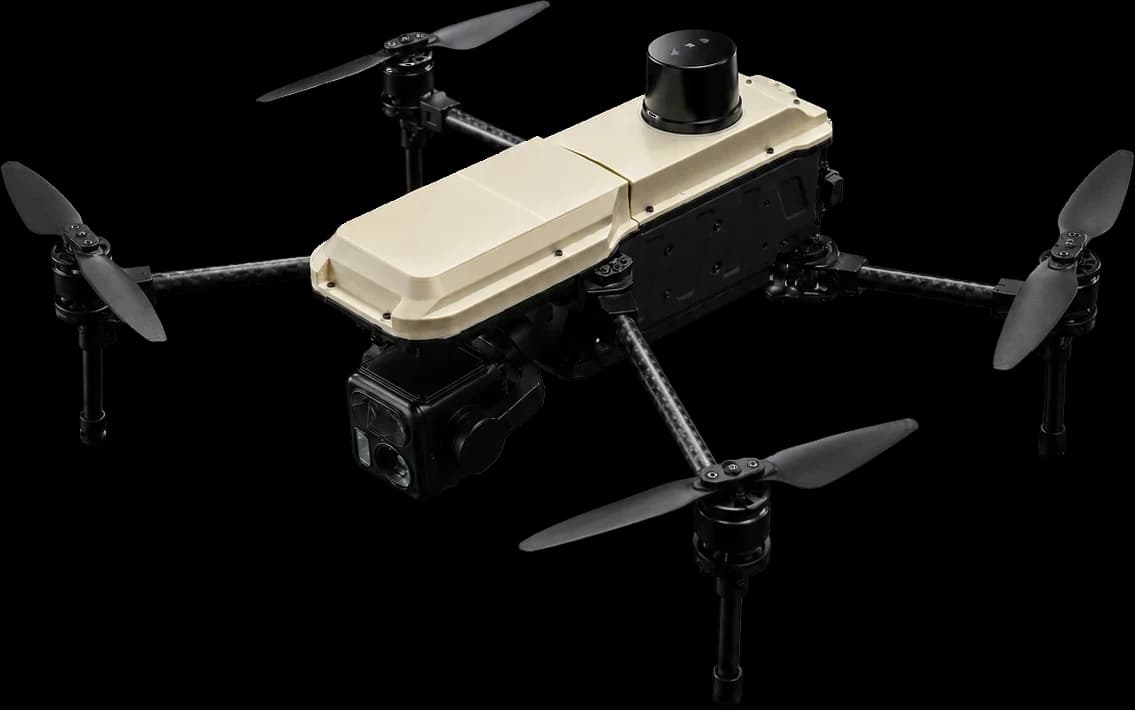
Longer endurance; Saksham by NVX is rated for 55+ minutes.
Can fly much longer because wings provide lift.
Why you rarely see the number on the box.
Fighting wind drains the battery fast, especially on the way back.
Indian summers and cold mornings both reduce battery performance.
Extra cameras, guards and lights add weight.
Fast climbs and sport mode use much more power.
Lithium batteries lose capacity with age and poor storage.
Carry spare batteries, keep them at storage charge when not flying, avoid flying in strong wind, plan your route, and land with 25-30% left. For missions that need long endurance, choose a drone designed for it rather than pushing a small drone to its limits.
FAQ
Camera drones commonly fly around 20-45 minutes; FPV drones 3-8 minutes; enterprise drones longer. Real flight time is usually below the rated figure.
Among NVX drones, Saksham is rated for 55+ minutes of flight, with about 15 km range.
Usually an ageing or poorly stored battery, more wind, or extra weight. A battery health check can confirm it.
Yes, with care. Heat reduces battery performance; avoid leaving batteries in a hot car and land earlier.
Two or three spares let you fly a useful session while the others charge.
Get a quote
NVX replies with a recommended configuration and quotation.
Related